Scones
British vs. American Scones: Key Differences Explained
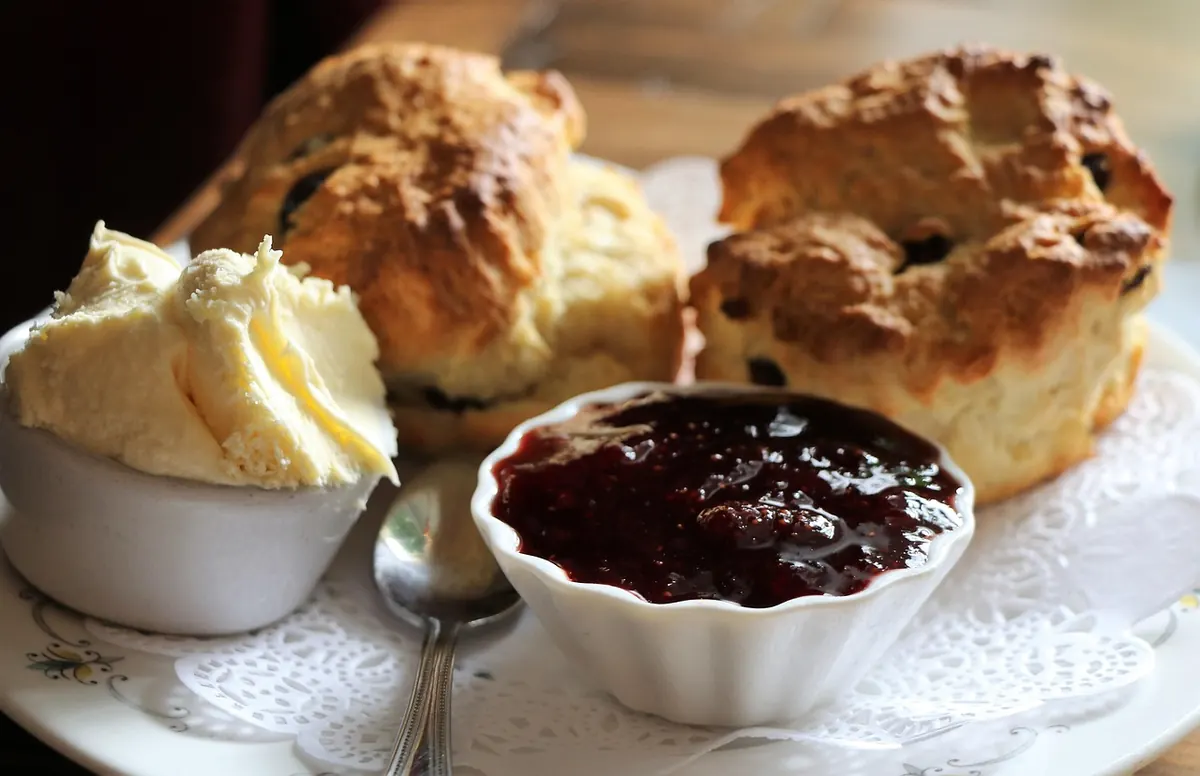
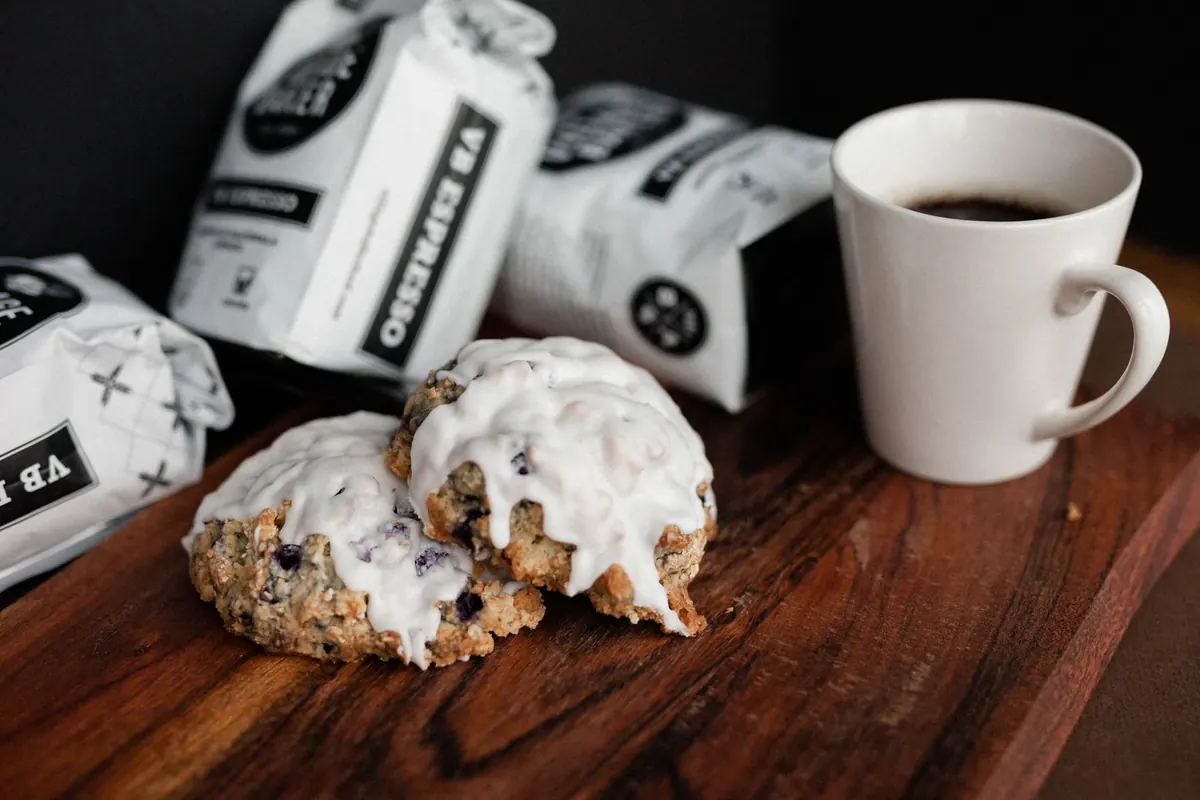
Order a scone in a Devon tea room and in a Portland coffee shop and you will get two baked goods that share a name and very little else. One is a soft, barely sweet round, split and buried under jam and clotted cream. The other is a hefty triangle, often glazed, studded with blueberries or chocolate chips, sitting in a pastry case next to the espresso machine. Both are worth eating. They are not the same thing, and knowing which one you are making changes everything about the recipe.
The British Scone: Tall, Tender, Barely Sweet
A traditional British scone is flour, baking powder, a pinch of salt, a little sugar, cold butter rubbed into the dry ingredients, and milk or buttermilk to bring it together. Some recipes add an egg; many do not. Currants, sultanas or raisins are the classic additions, though cheese and herbs show up in savoury versions.
The dough is rolled or patted to about an inch thick, cut into rounds with a fluted cutter two to two and a half inches across, brushed with milk or egg wash, and baked hot — around 220°C (425°F) — for ten to twelve minutes. The goal is a good vertical rise and a pale gold top. Inside, a proper scone is light and tender with a faint sweetness, crumbly at the edges but never dry. It should taste like something you want to eat warm, the day it is baked.
And yes, the pronunciation argument is real. Much of England rhymes it with "gone"; Scotland and much of the United States rhyme it with "cone." Neither side is likely to concede.
The American Scone: Bigger, Sweeter, Built for a Glaze
Cross the Atlantic and the scone gains weight. American recipes typically use more sugar and more butter, plus heavy cream and often an egg, which pushes the texture toward a cross between a biscuit and a soft cookie. Add-ins are generous and often the whole point: blueberry and lemon, cranberry and orange, maple and pecan, chocolate chip, pumpkin, even everything-bagel savoury versions.
Instead of being cut into rounds, the dough is usually shaped into a disc, chilled, then cut into six or eight wedges. Those wedges get a milk or cream wash, sometimes a coarse sugar crust, and — once cool — often a powdered sugar glaze. The texture is denser, richer and more crumbly, sturdy enough to travel in a paper bag and to hold up under icing. It is a pastry case item, not a tea table item.
Side by Side
- Shape: British scones are round, cut with a cutter; American scones are triangular wedges.
- Sweetness: British scones are lightly sweet, with the jam doing the heavy lifting. American scones are sweet on their own, and often glazed.
- Enrichment: British recipes lean on milk or buttermilk; American ones use heavy cream, more butter and usually an egg.
- Texture: Light, tender and slightly crumbly versus dense, moist and either crumbly or cakey depending on the recipe.
- Size: British scones are modest, a two-bite affair at tea. American scones are often twice the volume.
- Serving: Split and topped with cream and jam, versus eaten out of hand with coffee.
- Staying power: British scones are at their best within hours; American scones keep a day or two thanks to the extra fat and sugar.
What Goes On Top Changes the Recipe
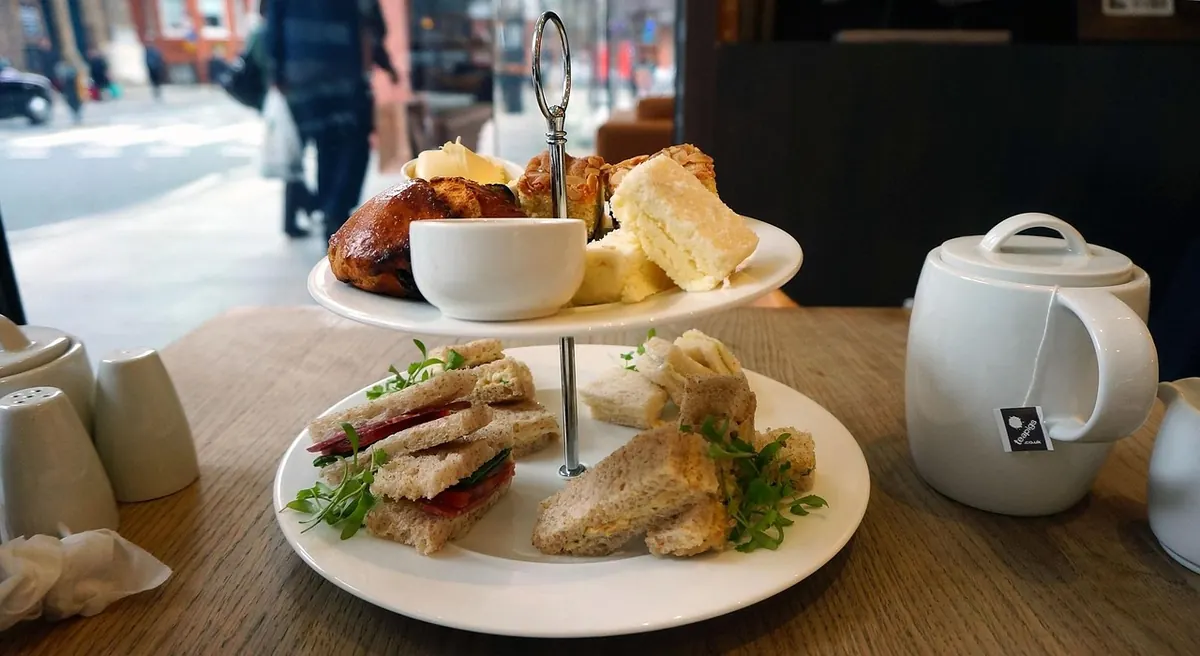
In Britain, a scone is a delivery system for clotted cream and jam, and the order you apply them is a matter of regional identity. Cornwall spreads jam first, then cream; Devon does cream first, then jam. Both produce a magnificent mess. Plain, fruit and cheese scones each have their own following, and a cream tea is a specific thing: warm scones, a pot of tea, and no rush.
American scones are usually eaten at breakfast or as a snack, often warmed briefly and buttered, or eaten as they are with coffee. Because they are already sweet, they rarely need jam. Serve one the other way and expect confusion: a British scone under a heavy glaze tastes cloying, and an American scone with clotted cream and jam can feel like two desserts at once.
Why the Two Drifted Apart
The scone's ancestors are Scottish: oat bannocks and griddle breads cooked on a flat stone or pan. Wheat flour, baking powder and reliable ovens moved scones into the kitchen and made them rise. Emigrants carried the recipe across the Atlantic, but not the same pantry. American all-purpose flour is generally higher in protein than British plain flour, which makes for a chewier dough, and sugar and cream were cheaper and more plentiful. The American habit of loading a quick bread with fruit, nuts and chocolate took hold from there.
At the same time, the American biscuit grew out of similar roots in a different direction — buttery, savoury, served with gravy or with butter and honey. That leaves the British scone sitting almost exactly between an American biscuit and an American scone, which is why Southerners often find a Devon scone familiar and coffee-shop regulars find it plain.
Technique That Works for Both
Whichever version you bake, the same handful of habits decides whether it comes out tender or tough.
- Keep everything cold. Cube the butter and chill it; chill the milk or cream too. Cold fat creates steam and lifts the dough.
- Handle the dough as little as possible. Rub or cut the butter in until you have coarse crumbs, add the liquid, and stop mixing the moment it holds together.
- Cut straight down and do not twist. A twisting cutter seals the edges and limits the rise, which is why scones sometimes come out flat.
- Chill before baking. Twenty to thirty minutes in the fridge firms the fat and helps the shape hold.
- Bake hot and watch closely. Ten to fifteen minutes at 200–220°C (400–425°F), depending on size. Pull them when the tops are just golden.
- Weigh your flour when you can. A cup of flour varies wildly depending on how it is scooped, and a dry dough is the most common reason for a crumbly scone.
For American scones, err on the side of pulling them a minute early and glaze once cool. For British scones, skip the glaze entirely and plan to eat them within a few hours; day-old scones are best split and toasted.
So Which Should You Bake?
If you are feeding people around a pot of tea, make British: rounds, restrained sugar, currants if you like them, clotted cream and jam on the table. If you are filling a breakfast basket or stocking the freezer, make American: wedges, heavy cream, a generous handful of add-ins, a simple glaze. Start with the plain version of either, get the texture right, and only then begin adding flavour. Once you know the feel of the dough under your hands — soft but not sticky, cool, barely holding together — the rest is just deciding what goes in.
Photo: jiyeong_22 / Pixabay