Ingredients
The Best Flour for Scones: Cake Flour vs. All-Purpose vs. Bread Flour
A proper scone should rise tall enough to split, shatter just a little at the edges, and give way to a tender, buttery crumb. It should not taste like a biscuit that lifted weights, nor should it crumble into dust before it reaches your jam. Flour is one of the biggest levers you can pull to move a scone in one direction or the other. Choose the wrong one and you can end up with a chewy, bready wedge or a fragile, flat round. Choose the right one—or the right blend—and the texture lands where you want it.
The main difference between cake flour, all-purpose flour, and bread flour is protein content. Protein potential becomes gluten when flour meets liquid and gets stirred, folded, or kneaded. More gluten means more structure, more chew, and often more lift. Less gluten means tenderness, fineness, and a shorter bite. Scones need both structure and tenderness, which is why the middle ground usually wins—but not always.
What Protein Does in a Scone
Gluten is not automatically a bad thing in scones. Without enough of it, the dough cannot trap the gas made by baking powder or baking soda, and the scones bake up flat and fragile. With too much, the scones turn rubbery, tough, and oddly bread-like. The goal is a dough strong enough to rise and hold its shape, but gentle enough to stay tender.
Protein also affects how much liquid the flour absorbs. Bread flour, with its high protein, drinks more buttermilk than cake flour. If you swap flours without adjusting, the same recipe can feel dry and stiff or wet and slack. That is why flour substitutions in scones are rarely a simple one-for-one swap. Start with the recipe, then adjust by feel.
As a rough guide, cake flour sits around 7 to 9 percent protein, all-purpose flour around 10 to 12 percent, and bread flour around 12 to 14 percent. Brands and regions vary. A Southern all-purpose flour may behave more like pastry flour, while a Canadian all-purpose flour may act closer to bread flour. Knowing your bag matters.
Cake Flour: Tender, Fine, and a Little Thirsty
Cake flour is milled very fine and has low protein, which makes it excellent for tenderness. In the United States it is often bleached with chlorine, a process that lowers pH and changes how the starch behaves. That treatment helps cakes stay soft and fine-grained, and it can make cake flour absorb more liquid and sugar than its protein level suggests.
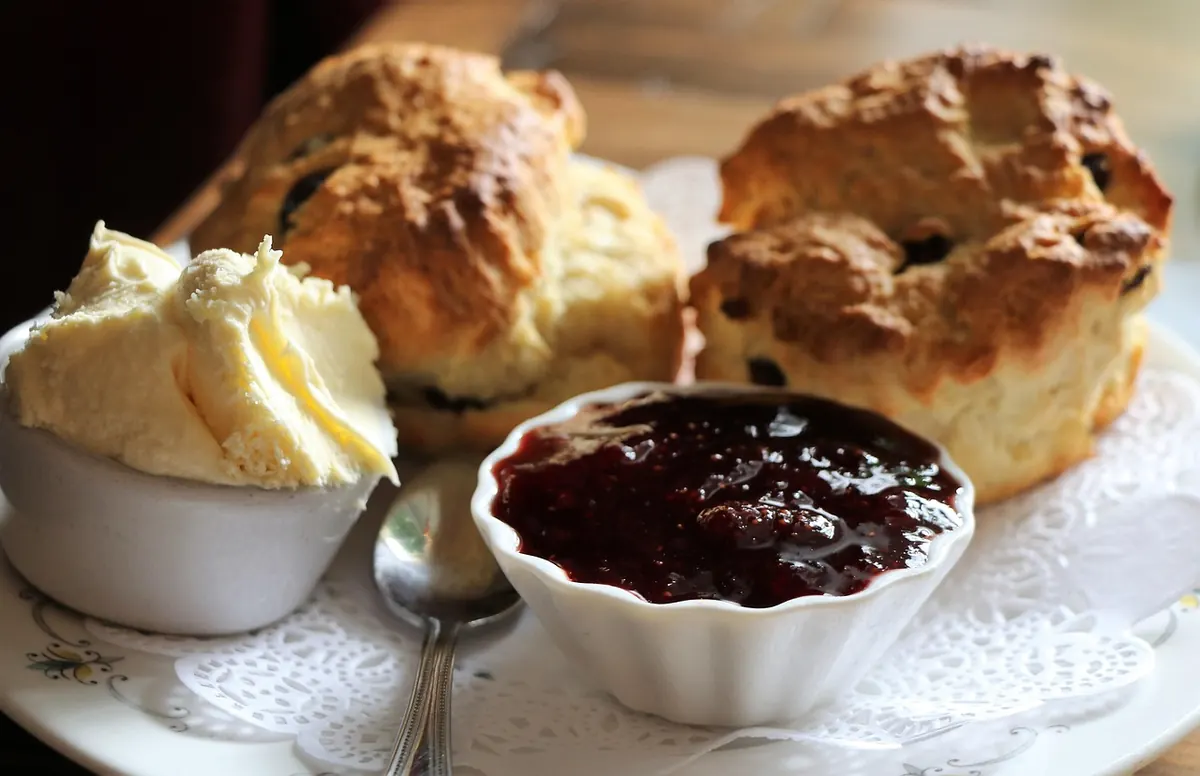
In scones, cake flour produces a delicate, almost cake-like crumb. The rise can still be good if you handle the dough gently, but the structure is more fragile. Heavy mix-ins like frozen berries or chunks of cold butter can weigh the dough down. Cake flour shines in small, elegant scones—think vanilla, chocolate chip, or a simple cream scone meant for clotted cream and jam.
If you use cake flour, expect to add a little more buttermilk or cream than usual. The dough may seem dry at first. Give it a few folds, then add liquid one tablespoon at a time until it comes together. Do not overwork it trying to force it smooth; cake flour scones benefit from a light hand.
All-Purpose Flour: The Dependable Middle Ground
All-purpose flour is what most scone recipes assume, and for good reason. It has enough protein to support a respectable rise, but not so much that the scones turn chewy. It browns nicely, holds up to butter and cream, and works with sweet or savory additions. If you are new to scone baking, start here.
The catch is that all-purpose flour is not one thing everywhere. A bag with 10 percent protein will make a tender scone. A bag closer to 12 or 13 percent will make a sturdier one that can feel bready if you mix too much. If your scones often turn out tough with all-purpose flour, try blending in some cake flour. If they spread and collapse, your flour may be on the low-protein side, or your dough may be too warm.
For consistency, weigh your flour. A cup of all-purpose flour can vary by 20 grams or more depending on how it is scooped. A kitchen scale removes that guesswork and makes your scone results repeatable.
Bread Flour: Structure, Lift, and a Chewier Crumb
Bread flour brings high protein and strong gluten potential. It absorbs more liquid, holds more gas, and creates a scone with a taller rise and a noticeably chewier texture. That can be exactly what you want for a savory scone loaded with cheddar, bacon, herbs, or caramelized onions. It can also be too much for a delicate berry scone.
If you bake with bread flour, add extra buttermilk and let the dough rest for 10 to 15 minutes before shaping. That rest gives the flour time to hydrate and the gluten time to relax. Then handle the dough as little as possible. Bread flour scones are sturdy enough to split and fill, but they can turn tough fast if you knead them like biscuit dough.
How the Three Flours Compare in a Scone
- Cake flour: Highest tenderness, moderate rise, fine crumb. Best for delicate sweet scones. May need more liquid. Handle gently.
- All-purpose flour: Balanced tenderness and structure, good rise, familiar crumb. Best all-purpose choice for most recipes. Watch regional protein differences.
- Bread flour: Lowest tenderness, highest rise, chewier crumb. Best for savory or hearty scones. Needs more liquid and a rest before shaping.
Blending Flours for Better Scones
You do not have to choose one flour. Blending is often the smartest move because it lets you tune texture without rewriting the recipe. Try these combinations:
- 50% all-purpose + 50% cake flour: Tender, tall, and delicate. Excellent for berry scones, chocolate scones, or afternoon tea.
- 75% all-purpose + 25% cake flour: A subtle tenderness boost while keeping familiar structure. Good if your all-purpose flour runs high in protein.
- 75% all-purpose + 25% bread flour: Extra lift and strength for savory scones, cheese scones, or dough with wet mix-ins.
- 50% all-purpose + 50% bread flour: Sturdy and chewy. Use for breakfast sandwiches or scones that will be split and filled.
Pastry flour, if you can find it, sits between cake and all-purpose flour and makes lovely scones on its own. Whole wheat flour is a different story: its bran cuts through gluten and absorbs lots of liquid, so replace no more than 25 percent of the all-purpose flour and add extra buttermilk.
Technique Matters More Than the Bag
Flour sets the range, but technique decides where you land inside it. Keep butter and liquid cold. Toss cold, grated butter into the dry ingredients and flatten each piece between your fingers. Stir until the dough is shaggy, then fold it a few times—just enough to bring it together. Pat, do not roll, to about 1 inch thick. Cut straight down with a sharp cutter and do not twist. A quick freeze for 10 minutes before baking helps the scones hold their shape.
Bake hot, usually around 400°F to 425°F, until the tops are golden and the sides look set. If you substitute flours, adjust liquid by feel. The dough should be slightly sticky but not wet, and it should hold together when you press it. A dry, crumbly dough will bake up tough because it forces you to overwork it.
When in doubt, treat the flour as a starting point and the dough as the final answer. Your hands are a better gauge than any label.
The Flour to Reach For First
For most bakers, all-purpose flour is the best first choice. It is flexible, familiar, and capable of excellent scones when the dough is handled well. If you want a more delicate, cake-like scone, swap in 25 to 50 percent cake flour. If you want a taller, sturdier scone for savory fillings, blend in bread flour. The best flour is the one that matches the scone you actually want to eat. Start with a recipe you trust, weigh your flour, keep everything cold, and adjust from there. The difference between a good scone and a great one is often less about the bag and more about how gently you treat the dough.
Photo: Felicity Tai / Pexels